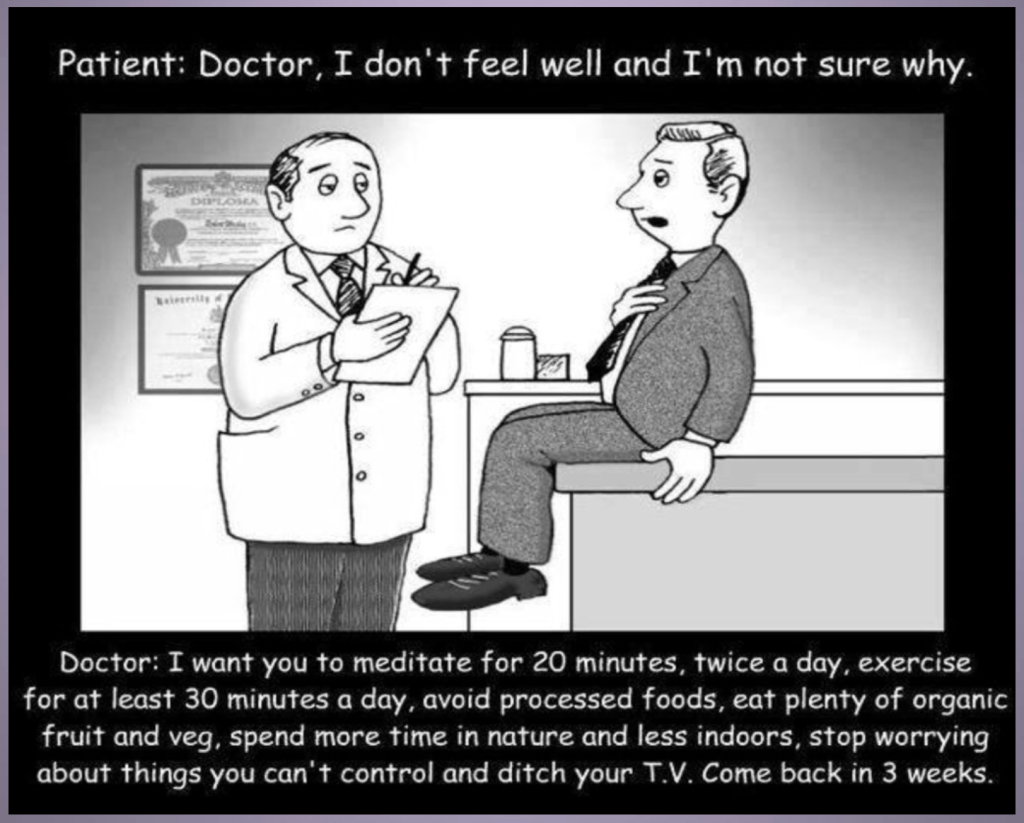
Daily Activity

I feel trapped in a prison made of bones, sharp, rigid, lifelessly stiffened by a shadowy parasite who consumes the anima in my marrow: fear.

Too much?

perhaps, but fear is a fundamental element of our existence. Maybe our most familiar experience, and to each of us maybe the most personal. It can be isolating and crippling. It is as Nietzsche said all-too-human. Something we all share, though we each have our own fears, we all struggle with this sensation, family, friends, enemies, strangers.

And I don’t think fear is a thing once thrown off. It is an action we need to take everyday.

It is a companion more than an enemy. It is a sign of energy that needs transformed from potential into actuality.

April 2nd Meditation

Though I don’t have a readership yet, to any passers by I would love to suggest a guided meditation that will be streamed tomorrow provided by Heartfulness.org. This is the registration page here. The organization is referring to it as a lifecast, and I believe it will begin with a lecture by the mater of the system.

I have found the heartfulness system to be a very positive meditative experience. It is not bogged down with ritual, or complexity so it is very approachable for anyone who wishes to try it. To me the experience of the meditation is adaptogenic, that is, relaxing when I need to feel relaxed, and stimulating when I need to draw on strength.

When people do it together there sincerely is a sense of transmission from the heart. Who doesn’t want to take time to feel love and light in his or her heart? When we do it together we share an experience of feeling the love that is in our hearts.

A Wellness Coach, Really?

It’s such a buzzword now—Wellness. The likes of Oprah Winfrey and Gweneth Paltrow are two of the most well known promoters who have popularized it and capitalized upon this emerging market.

To this end, a wellness coach or an industry that might be termed “Wellness” has all the markings of a fad or trend, something for the wealthy or people without real problems to attach to for a short time before it vanishes.

In the twilight of my mind the word seems to be immersed in sap. Speaking it you will hear the echo of self-satisfaction. You could imagine a self-styled cosmopolitan walking with it as a new luxury item along with their Starbucks, grande, blonde, 2 pump skinny vanilla latte, light foam, talking through a bluetooth headset about their new start-up on instagram, dressed in lulu lemon, while e-signing up for evening yoga class.

If you see yourself in what I stated above—I can see a bit of myself in it—take it with a grain of salt. I think it’s healthy and important to acknowledge the element of luxury and materialism that can be associated with contemporary lifestyle.

And there is ample association between wellness, and luxury and materialism, which makes sense, since a major market driving the industry would be beauty and fitness, which in turn informs the sense that wellness is a fad as most beauty and fitness trends are.

Beyond that this industry would seem to be largely non-essential largely driven by an excess of societal wealth and free time (At least until a few weeks ago).

It may be obvious to the reader that the author is taking a rather cynical point-of-view about a subject he purports to be making a blog about, and an industry he will be attempting to enter in some way soon. It is true. I have never been pleased with the term “wellness coach”. It sounds a bit too pretentious, or at least presumptuous to claim, first that you know the way to wellbeing—and not only do I live it every day, but second that I can guide you to this state, and, by-the-way, you’ve been doing it wrong.

Yet, I understand the evolution of the term, and I realize the significance of why it happened (really, a topic for another day), simply put, most medical language, especially the term “health” fits into the legal lexicon, and the regulated world of the medical establishment. People approaching health from alternative avenues needed words that would distinguish themselves.

In considering my vocation, I have attempted reframing the terms. I will expand on this in a different post, but two words in particular stand out because they describe how I see what I do, the words agent and advocate. I intend to be an agent for your wellbeing: a catalyst, spark or motivator, and someone who works on behalf of the health and vitality of someone. I intend to be an advocate, as in an advocate for patients rights, and an advocate an individuals life purpose or goals.

There is an emerging market, and it is not made up of the frills and fads we see marketed to us. There is a health system over burdened and reaching its limit on being able to provide positive return on investment; moreover, there is on a deeper level a dramatic paradigm shift aching to take place in the field of medicine writ large new paths are being forged, trod on by those who have gone on or are currently undertaking serious, foundational healing journeys themselves, I know from experience. These paths have their guides, their drivers, their coaches (I guess I can’t escape that word). It is my goal with this blog and with my practice to help…escort…individuals on their own unique journeys.

More later
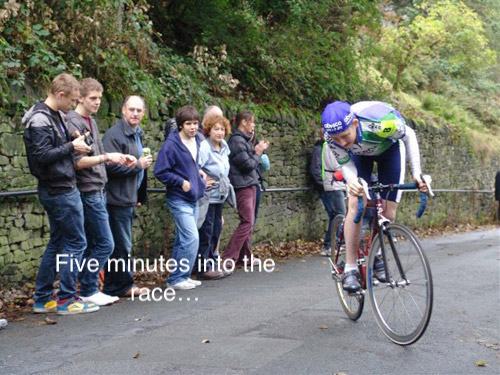
Happy New Year…

And a new beginning for me here on this site.

I hear you thinking, New year, what from three months ago? No, I’m thinking of the archaic new year of the equinox, which is today 19th of March. It’s a new attempt by me, a new stage in life, a new moment in time, a new start, and from a certain perspective a new year.

May it be a blessed one for each of us.

Introduce Yourself (Example Post)

This is an example post, originally published as part of Blogging University. Enroll in one of our ten programs, and start your blog right.

You’re going to publish a post today. Don’t worry about how your blog looks. Don’t worry if you haven’t given it a name yet, or you’re feeling overwhelmed. Just click the “New Post” button, and tell us why you’re here.

Why do this?

  • Because it gives new readers context. What are you about? Why should they read your blog?
  • Because it will help you focus you own ideas about your blog and what you’d like to do with it.

The post can be short or long, a personal intro to your life or a bloggy mission statement, a manifesto for the future or a simple outline of your the types of things you hope to publish.

To help you get started, here are a few questions:

  • Why are you blogging publicly, rather than keeping a personal journal?
  • What topics do you think you’ll write about?
  • Who would you love to connect with via your blog?
  • If you blog successfully throughout the next year, what would you hope to have accomplished?

You’re not locked into any of this; one of the wonderful things about blogs is how they constantly evolve as we learn, grow, and interact with one another — but it’s good to know where and why you started, and articulating your goals may just give you a few other post ideas.

Can’t think how to get started? Just write the first thing that pops into your head. Anne Lamott, author of a book on writing we love, says that you need to give yourself permission to write a “crappy first draft”. Anne makes a great point — just start writing, and worry about editing it later.

When you’re ready to publish, give your post three to five tags that describe your blog’s focus — writing, photography, fiction, parenting, food, cars, movies, sports, whatever. These tags will help others who care about your topics find you in the Reader. Make sure one of the tags is “zerotohero,” so other new bloggers can find you, too.

Introduce Yourself (Example Post)

This is an example post, originally published as part of Blogging University. Enroll in one of our ten programs, and start your blog right.

You’re going to publish a post today. Don’t worry about how your blog looks. Don’t worry if you haven’t given it a name yet, or you’re feeling overwhelmed. Just click the “New Post” button, and tell us why you’re here.

Why do this?

  • Because it gives new readers context. What are you about? Why should they read your blog?
  • Because it will help you focus you own ideas about your blog and what you’d like to do with it.

The post can be short or long, a personal intro to your life or a bloggy mission statement, a manifesto for the future or a simple outline of your the types of things you hope to publish.

To help you get started, here are a few questions:

  • Why are you blogging publicly, rather than keeping a personal journal?
  • What topics do you think you’ll write about?
  • Who would you love to connect with via your blog?
  • If you blog successfully throughout the next year, what would you hope to have accomplished?

You’re not locked into any of this; one of the wonderful things about blogs is how they constantly evolve as we learn, grow, and interact with one another — but it’s good to know where and why you started, and articulating your goals may just give you a few other post ideas.

Can’t think how to get started? Just write the first thing that pops into your head. Anne Lamott, author of a book on writing we love, says that you need to give yourself permission to write a “crappy first draft”. Anne makes a great point — just start writing, and worry about editing it later.

When you’re ready to publish, give your post three to five tags that describe your blog’s focus — writing, photography, fiction, parenting, food, cars, movies, sports, whatever. These tags will help others who care about your topics find you in the Reader. Make sure one of the tags is “zerotohero,” so other new bloggers can find you, too.

Introduce Yourself (Example Post)

This is an example post, originally published as part of Blogging University. Enroll in one of our ten programs, and start your blog right.

You’re going to publish a post today. Don’t worry about how your blog looks. Don’t worry if you haven’t given it a name yet, or you’re feeling overwhelmed. Just click the “New Post” button, and tell us why you’re here.

Why do this?

  • Because it gives new readers context. What are you about? Why should they read your blog?
  • Because it will help you focus you own ideas about your blog and what you’d like to do with it.

The post can be short or long, a personal intro to your life or a bloggy mission statement, a manifesto for the future or a simple outline of your the types of things you hope to publish.

To help you get started, here are a few questions:

  • Why are you blogging publicly, rather than keeping a personal journal?
  • What topics do you think you’ll write about?
  • Who would you love to connect with via your blog?
  • If you blog successfully throughout the next year, what would you hope to have accomplished?

You’re not locked into any of this; one of the wonderful things about blogs is how they constantly evolve as we learn, grow, and interact with one another — but it’s good to know where and why you started, and articulating your goals may just give you a few other post ideas.

Can’t think how to get started? Just write the first thing that pops into your head. Anne Lamott, author of a book on writing we love, says that you need to give yourself permission to write a “crappy first draft”. Anne makes a great point — just start writing, and worry about editing it later.

When you’re ready to publish, give your post three to five tags that describe your blog’s focus — writing, photography, fiction, parenting, food, cars, movies, sports, whatever. These tags will help others who care about your topics find you in the Reader. Make sure one of the tags is “zerotohero,” so other new bloggers can find you, too.